A Change of Strap, Not of Allegiance: Extending a Fine Watch’s Wardrobe in 2026
The case for restraint
There is a particular discipline in owning one fine watch and wearing it properly. It runs counter to the assumption that a watch collection must grow in order to become useful. A better case can be made for a single, well-proportioned timepiece whose character is allowed to shift through the humble medium of the strap. In 2026, with quick-release fittings more common and independent strap makers more visible than ever, the idea is practical rather than contrived. One watch, several temperaments: it is a modest form of wardrobe planning, and it rewards care.
The watch head should, of course, be worth the effort. A clean dial, a case of sensible dimensions and lugs that sit comfortably on the wrist will carry a change of strap more convincingly than a highly specialised design. The aim is not novelty for its own sake. It is to make the same watch feel entirely at home at a formal dinner, a weekend in the country and a wet Tuesday in the city.
Steel, leather, rubber and fabric: four useful registers
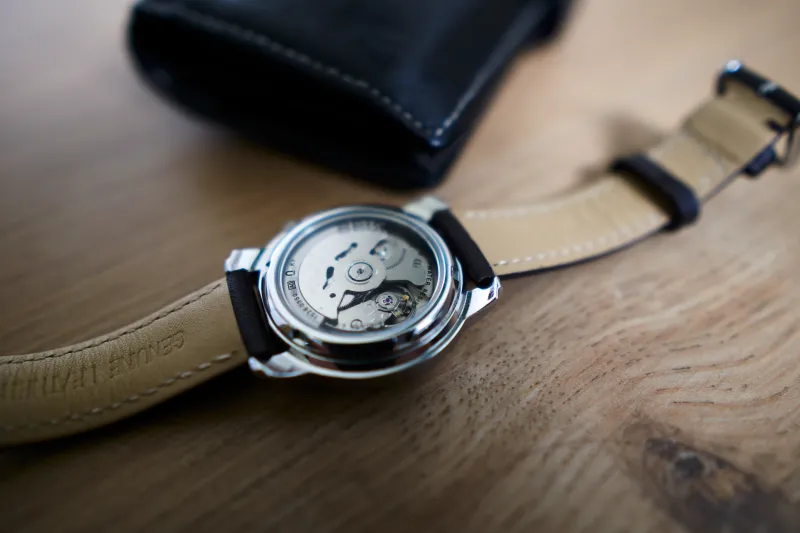
A steel bracelet is the most robust default, and for many UK wearers it is the correct starting point. It handles rain, central heating and daily wear with little complaint, and a well-made bracelet with solid end links gives a watch a coherent, almost architectural presence. It is not, however, the only register. A fine-grained leather strap in black or dark brown moves a watch towards formality, provided the leather is of good quality and the lining is comfortable against the skin. Box-calf and similar leathers age with dignity; corrected-grain leathers often do not.
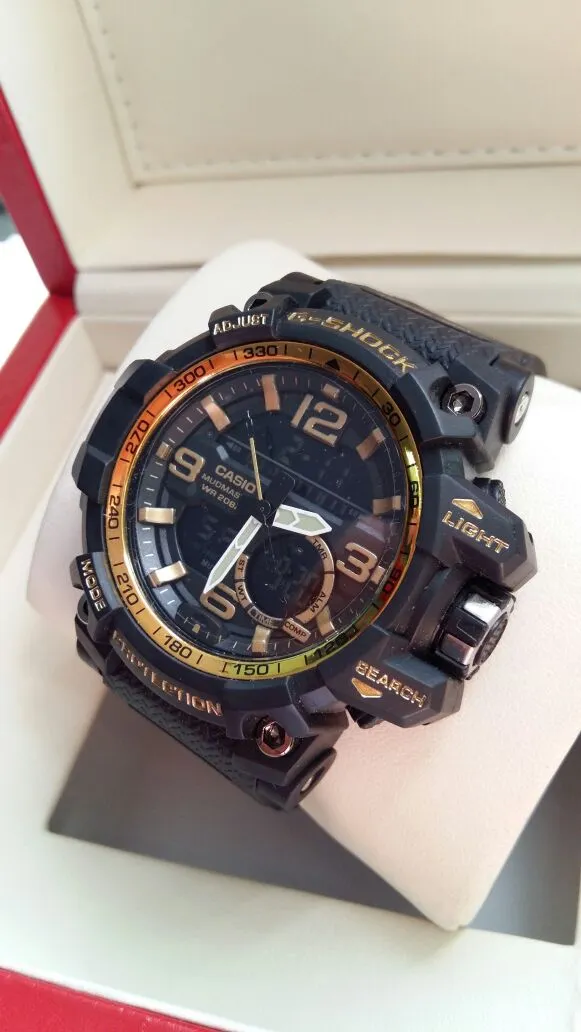
Rubber has shed its purely sporting associations. A tapered rubber strap in a subdued colour can suit a dive watch, a travel watch or a simple three-hander, and it is unusually well matched to British weather. Fabric straps, particularly woven nylon, offer a lighter and more casual alternative, though they demand more frequent washing and should not be expected to remain pristine. The point is not to collect every possible option. It is to identify two or three registers that genuinely suit the watch and the life it is asked to lead.
Quick-release systems and the question of confidence
Quick-release spring bars have made strap changing markedly easier, but convenience should not be mistaken for uniformity. The quality of the fitting varies. A well-executed quick-release system should click positively, sit flush with the lugs and show no lateral play. On a fine watch, it is worth asking whether the system is proprietary, whether replacement bars are readily obtainable and whether the strap maker supplies fittings of comparable standard.
Traditional spring bars, fitted with a proper tool and a little patience, remain the more universal solution. Drilled lugs make the task easier and reduce the risk of scratching the case. Whatever the system, the watch should never be handed over to a hurried change. A slipped tool can mark a polished flank in an instant, and those marks are expensive to correct. If the wearer is not confident, a competent jeweller or watchmaker should make the change.
Buckles, clasps and the feel of quality
A strap is only as good as its fastening. On leather, a tang buckle is simple and traditional, but a deployant clasp can prolong the life of the leather by reducing repeated flexing. On rubber and fabric, the buckle should be substantial without being clumsy. On a steel bracelet, the clasp is a central part of the experience: it should close firmly, sit comfortably beneath the wrist and offer micro-adjustment where possible. A cheap clasp undermines an otherwise excellent watch more quickly than almost any other component.
This is also where resale and insurance considerations begin. A fine watch is generally valued as a complete object, and the original bracelet or strap, together with its clasp, forms part of that completeness. Removing a manufacturer bracelet in favour of an aftermarket strap is a reversible choice, but the original should be kept, labelled and stored carefully. Buyers and valuers notice what is present and what is missing.
A British weather reality check
UK conditions are not extreme, but they are varied. A watch may meet drizzle on the morning commute, a warm office, a cold walk at lunchtime and a damp weekend on the coast. Leather dislikes prolonged dampness and benefits from rest between wears. Fabric retains moisture and should be allowed to dry naturally, away from direct heat. Rubber is the least troubled by rain, though it should be rinsed and dried after exposure to salt water or sunscreen.
Steel is the most forgiving, but it is not immune to scuffs, and a bracelet worn daily will show them. That is not a defect; it is evidence of use. The sensible approach is to match the strap to the day rather than to an abstract ideal. A leather strap need not be reserved for dry weather, but it should not be asked to survive a soaking without recovery time.
Storage and rotation habits
Strap rotation works best when it is organised. A simple strap roll or divided drawer keeps leather flat and allows rubber and fabric to breathe. Leather should not be stored compressed beneath heavy objects, and it should be kept away from direct sunlight. A watch on a leather strap benefits from being laid flat rather than hung. Metal bracelets can be stored in the usual way, though a soft pouch prevents unnecessary contact marks.
Rotation itself should be deliberate. A useful habit is to change straps at the start of a week or before a particular occasion, rather than in a rush at the door. This gives the wearer time to check the fittings, clean the strap and consider whether the combination suits the watch. It also prevents the mild chaos of loose spring bars and mismatched buckles accumulating in a drawer.
Valuation, disclosure and the original configuration
Strap changes rarely alter the fundamental value of a watch, but they can raise questions at valuation or claim. Insurers and appraisers generally expect the watch to be described accurately, including whether it is on its original bracelet or a replacement strap. Aftermarket straps are usually treated as accessories rather than as part of the watch’s core value, but the original components should be retained. If a manufacturer bracelet has been shortened or altered, that too should be noted.
For insurance purposes, the watch should be scheduled at a realistic replacement value, and the appraisal should reflect the configuration in which it is worn. A change of strap is not a reason to overlook the paperwork. It is a reason to keep it tidy: original bracelet, spare links, buckles and any relevant receipts stored together. The watch may change its appearance, but its identity should remain clear.
One watch, several moods
The appeal of strap rotation is not that it turns a single watch into a collection. It is that it allows one good watch to be worn more often and more appropriately. A steel bracelet for the working week, a dark leather strap for evening, rubber for travel and wet weather, fabric for the weekend: these are not disguises but useful variations. Chosen with restraint, they extend the watch’s life and the wearer’s pleasure. In 2026, that is a modest but genuinely elegant form of value.