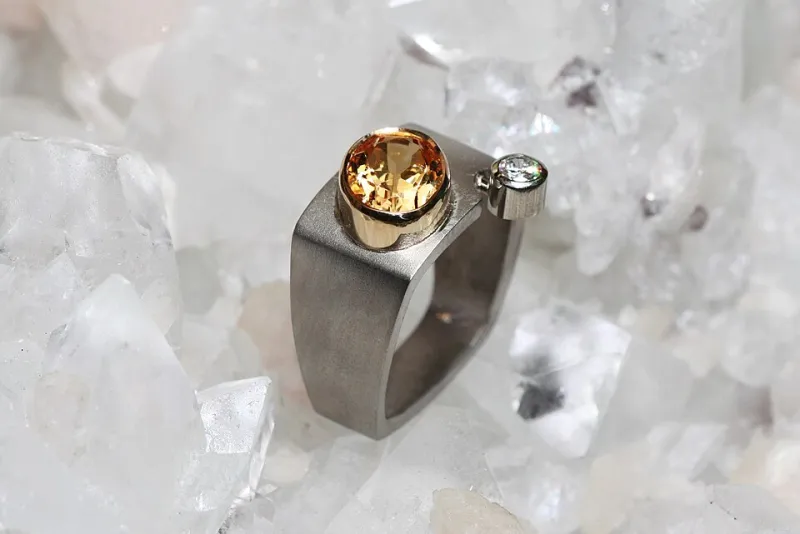
Three Roles, One Collection: The Case for a Disciplined Watch Wardrobe in 2026
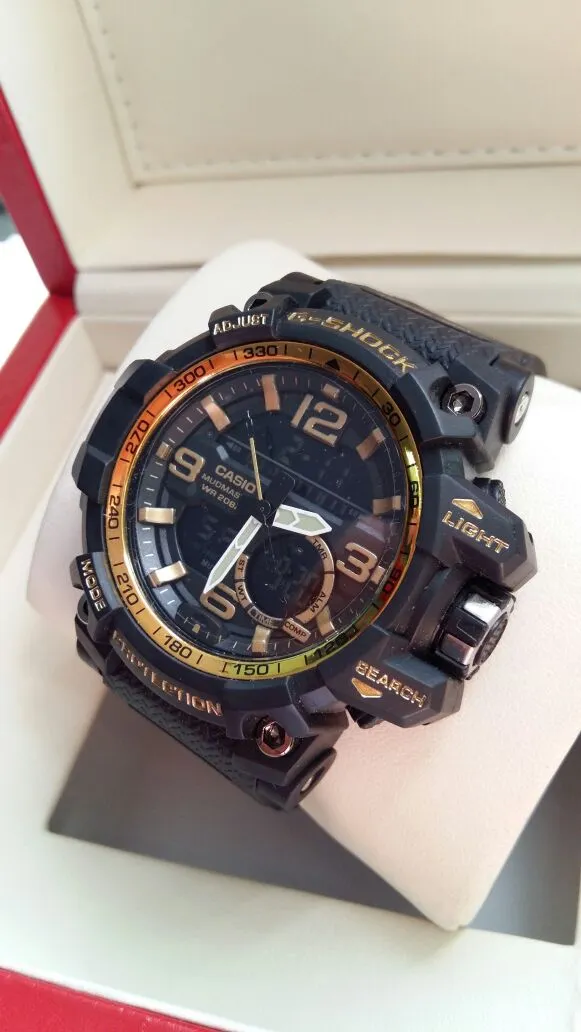
Photo: Wildshop, CC BY-SA 4.0, via Wikimedia Commons
Collectors often begin with appetite and end with clutter. A first watch leads to a second, then a third bought for a particular holiday or a passing enthusiasm, and within a few years the box contains several pieces that compete for the same wrist time. The more disciplined approach now gaining ground among UK collectors is not austerity for its own sake. It is the recognition that three well-chosen watches can cover more of life than ten indifferent ones.
Why three is a discipline, not a limitation
The argument here is simple: a collection should be organised by role rather than by trend. The everyday watch handles work, travel and the ordinary week. The formal watch answers the occasions that call for restraint and proportion. The weekend watch provides character, robustness and a change of mood. Once those roles are filled, further purchases should justify themselves against a clear gap rather than against a passing advertisement.
This is not a rule imposed by any authority. It is a framework that helps UK buyers spend deliberately in a market where new releases arrive constantly and pre-owned listings are only a search away.
The everyday watch: robustness with restraint
The everyday watch should be comfortable enough to forget and robust enough to trust. A steel case, a reliable automatic or high-quality quartz movement, a water resistance rating suited to daily life and a bracelet or strap that can be replaced without drama will cover most requirements. In the UK, where weather and dress codes shift through the year, versatility matters more than novelty.
This is also the watch most likely to pick up marks. That is not a reason to choose something fragile. A brushed finish and a sapphire crystal will age more gracefully than a highly polished surface that shows every desk encounter. The everyday piece should be insured and serviced, but it should not be treated as a museum object.
The formal watch: proportion before precious metal
A formal watch does not have to be made of gold, and it does not have to be tiny. It should, however, sit neatly under a cuff and avoid visual noise. A clean dial, a slim case and a restrained strap will usually serve better than a complicated sports watch pressed into evening duty.
For UK buyers, the formal watch is often the place where a little more budget is justified. This is the piece worn to weddings, dinners and professional occasions where a watch is noticed only if it distracts. A well-proportioned dress watch from a respected maker will remain useful for decades, even if fashion moves toward larger or smaller cases.
The weekend watch: character without fragility
The third role is the most personal. It may be a dive watch, a chronograph, a field watch or a vintage piece with a story. The common thread is that it should offer something the other two do not: a different mood, a different finish, a different reason to wear it.
Character should not become an excuse for neglect. A weekend watch still needs a service history, a sensible water resistance rating and parts that can be maintained. Vintage pieces can be deeply rewarding, but they require a buyer who is willing to research replacement parts and accept the limitations of older movements.
Where the budget should go
A useful starting point is to allocate roughly half the collection budget to the everyday watch, a third to the formal watch and the remainder to the weekend piece. This is not a fixed formula, but it reflects use. The watch worn most often should receive the most robust specification and the most reliable service support.
That allocation also leaves room for the costs that are easy to overlook: insurance, servicing, straps and perhaps a safe or a watch roll. A collector who spends the entire budget on the case and dial but nothing on maintenance has bought a future problem.
Service intervals and UK practicalities
Mechanical watches generally benefit from servicing every five to seven years, though the maker's guidance and the movement's condition should take precedence. In the UK, authorised service centres can involve lengthy waits, while independent watchmakers may offer quicker turnaround for older or less complex movements. The important point is to establish a service route before something goes wrong.
Insurance deserves equal attention. A specialist watch policy or a specified item on home contents cover may be appropriate, depending on the value of the collection and how often pieces leave the house. Photographs, receipts, service records and valuations should be kept together. For anyone buying internationally, import VAT and duty can affect the true cost, and an insurer will expect the paperwork to be in order.
The international lesson
Collectors in other markets face the same dilemma, and their habits are instructive. In some cities, a single versatile watch is worn for almost everything; in others, formal pieces are kept deliberately separate from daily wear. What unites the sensible approaches is a refusal to let the collection outgrow its purpose.
A quieter kind of confidence
The three-watch wardrobe is not a rejection of enthusiasm. It is a way of concentrating it. By choosing one watch for each role, UK collectors can spend with greater care, service what they own and wear each piece with the confidence that it was bought for a reason. In 2026, that quieter discipline may prove more durable than any trend.