Platinum, White Gold or Palladium: Choosing a White Metal for UK Life in 2026
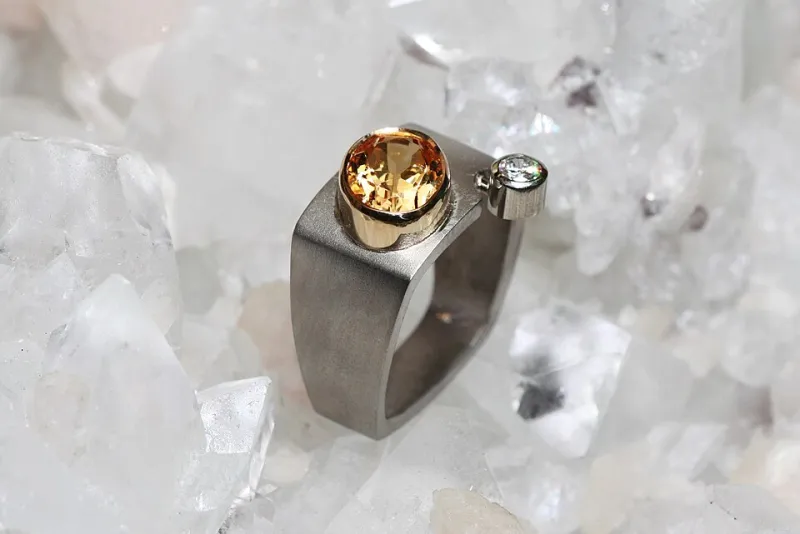
Photo: VIP jewelry Ltd., Calgary by Dmitri Vtornikov, CC BY-SA 3.0, via Wikimedia Commons
Ask three UK jewellers about white metal and you may receive three different answers, each shaped by the stones they set, the clients they serve and the international brands they carry. That divergence is not evasiveness. Platinum, 18ct white gold and palladium behave differently at the bench, on the hand and in the insurance schedule. For anyone choosing an engagement ring or a piece intended for daily wear in 2026, the useful question is not which metal is best in the abstract, but which one suits the life the piece will lead.
The three metals in plain terms
Platinum is dense, naturally white and usually offered at 950 purity. It is the metal most closely associated with bridal jewellery in several international markets, and its weight is often the first thing a buyer notices. White gold is gold alloyed with white metals and then finished with rhodium, a bright plating that gives the familiar cool tone. In the UK, 18ct white gold is common in fine jewellery, while 9ct versions appear at more accessible price points. Palladium sits within the platinum group but is noticeably lighter. It is generally used at 950 purity and offers a white tone without rhodium plating.
All three are subject to UK hallmarking when sold as precious metal articles, so the maker, purity and assay office marks provide a useful point of verification. A buyer should expect to see them clearly and should not hesitate to ask for an explanation of the marks.
Durability and the reality of daily wear
Platinum does not resist scratches in the way that a ceramic might; it displaces metal rather than losing it. Over time this produces a soft patina, and prongs tend to remain secure because the metal is moved rather than worn away. For an engagement ring worn continuously, that quality is often worth the additional weight and cost.
White gold is harder in many common alloys, but its rhodium finish is the vulnerable layer. The plating wears at the points of greatest contact, revealing a warmer gold tone beneath. This is not a fault; it is a maintenance characteristic. A well-made 18ct white gold ring can last for decades, provided the owner accepts periodic re-plating.
Palladium is lighter and softer than platinum, and while it is perfectly serviceable for many pieces, it is less forgiving in very fine settings. Fewer UK workshops stock palladium-specific solder and fittings, which can matter when a ring needs resizing or repair years later. For everyday wear, the practical difference is not dramatic, but it is worth discussing with the jeweller before committing.
Skin sensitivity and nickel
White gold alloys can contain trace amounts of nickel, although UK nickel-release regulations limit exposure in items intended for prolonged skin contact. Rhodium plating provides an additional barrier while it remains intact. Most wearers experience no difficulty, but anyone with a known sensitivity should raise it early.
Platinum and palladium are generally well tolerated and are often recommended where nickel sensitivity is a concern. The caveat is that sensitivity is individual. A metal described as hypoallergenic is not a guarantee, and a reputable jeweller will discuss the alloy rather than rely on a single label.
Rhodium, polishing and the maintenance calendar
White gold asks for the most explicit maintenance plan. Depending on wear, re-plating may be needed every twelve to twenty-four months. In the UK this is usually a modest workshop task rather than a major expense, but it should be budgeted for alongside insurance and cleaning.
Platinum is maintained by polishing, which restores brightness but removes a small amount of metal. Many owners prefer to leave the patina untouched until a professional service is due. Palladium can also be polished, though fewer workshops are familiar with it. In all three cases, ultrasonic cleaning is not a universal answer: stones, settings and older pieces may require gentler methods.
Resale and long-term expectations
Resale value is rarely the reason to choose a metal, but it is part of a considered purchase. Platinum retains intrinsic value and is widely recognised by buyers and insurers. White gold also has clear scrap value, though the rhodium finish and alloy composition affect how it is assessed. Palladium has a smaller and more volatile secondary market, and its industrial demand can influence prices in ways that have little to do with jewellery.
For branded pieces, the maker's name, original paperwork and condition will often matter more than the metal alone. International buying habits have made UK shoppers more aware of these distinctions: a ring bought overseas may use a different alloy, a different hallmarking convention or a different rhodium standard. When comparing quotations, ask for the metal specification in writing rather than relying on the colour alone.
What international showroom habits reveal
In some markets, platinum is the default for bridal jewellery; in others, white gold dominates because it offers a bright finish at a lower entry point. Online browsing across borders has made UK buyers more willing to question the traditional local preference. The sensible response from a UK showroom is transparency: explain the maintenance, show the hallmark, and let the client handle the piece.
A practical decision framework
For an engagement ring worn every day, platinum is the most maintenance-light choice if the weight and budget are acceptable. White gold remains an excellent option where the cooler tone and lower initial outlay matter, provided the owner is comfortable with re-plating. Palladium suits buyers who want a lighter white metal and have confirmed that local repair support exists.
Above all, try the piece on. Metal choice is not only a technical decision; it is a question of balance, comfort and confidence in the jeweller who will care for it after the purchase.