Christmas 2026: Twelve Jewellery and Watch Gifts That Feel Considered, Not Last-Minute

Photo: Tyne & Wear Archives & Museums, No restrictions, via Wikimedia Commons
Christmas Day falls on Friday 25 December in 2026, which gives UK shoppers a long run-up but a compressed final week. The most successful gifts are rarely the most expensive; they are the ones that show a clear understanding of the recipient's daily life. This edit is arranged by recipient and budget rather than by brand, because a piece that suits a busy commuter may be wrong for a parent who prefers a single signature jewel. Prices are indicative and should be confirmed with the retailer.
How to use this guide
The bands below move from everyday fine jewellery to milestone watches and jewels. Consider metal colour, ring size, bracelet length, engraving and delivery time before you decide. A gift that cannot be worn comfortably is not a considered gift, however beautiful it looks in the box.
For the everyday wearer: under £300 and £300 to £750
-
9ct gold huggie hoops, £150 to £300. Small, secure hoops are the most reliable everyday earring: they travel well, do not catch on scarves and suit British winter layering. Check the closure and metal purity.
-
Solid gold initial or medallion pendant, £250 to £500. A fine chain with a small engraved pendant sits neatly over a turtleneck or under a shirt collar. Confirm chain length and whether the engraving is hand-cut or machine-finished.
-
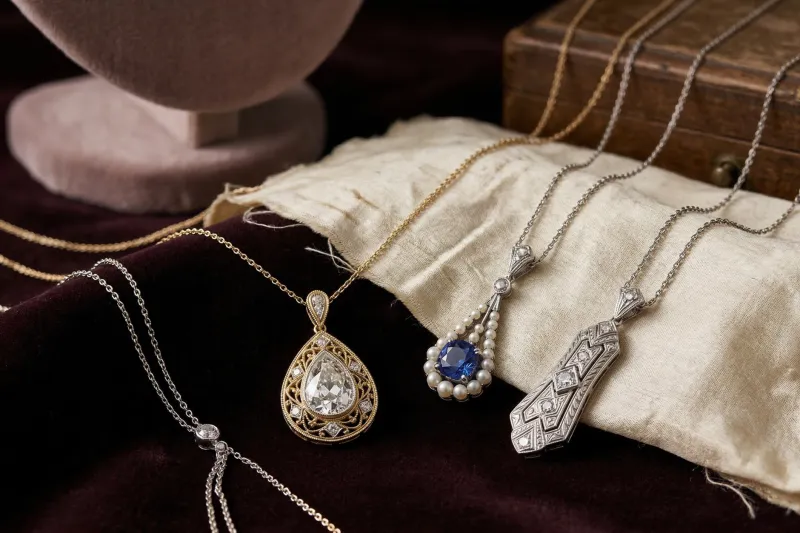
Sapphire or birthstone bezel pendant, £500 to £900. A bezel setting protects the stone and gives a clean, modern line. Deep blue sapphire works particularly well against winter navy and grey. Ask about treatment and origin.
-
Pearl studs, £300 to £800. Pearl studs are classic, but they need care: avoid perfume, hairspray and showering while wearing them. For travel, choose a secure screw-back fitting and a small travel case.
For a partner or spouse: £750 to £2,000
-
Diamond-line bracelet, £900 to £1,800. A slim line of diamonds in white or yellow gold is easy to wear with a watch and travels well. Check the clasp: a hidden box clasp with a safety catch is more secure than a simple lobster claw.
-
Signet ring, £600 to £1,200. A plain or engraved signet is unisex and deeply personal. UK ring sizes are given in letters, so measure carefully; resizing a signet can affect the engraving.
-
Automatic everyday watch, 36mm to 39mm, £750 to £1,500. A modest case size slips under a coat cuff and works with both tailoring and knitwear. Ask about water resistance, service intervals and bracelet sizing. A spare strap makes it more versatile for travel.
-
Gold locket, £700 to £1,500. A locket is an heirloom in the making. Engraving adds meaning, but allow space for the message and confirm whether the locket can hold photographs. Choose a chain strong enough for daily wear.
For a milestone: over £2,000
-
Diamond studs, £1,500 to £3,500. A matched pair of studs is the quietest kind of milestone gift. Ask about colour, clarity and setting; a four-claw setting shows more of the stone, while a bezel is more protective for daily wear.
-
Tennis bracelet, £2,000 to £5,000. A classic line bracelet should sit close to the wrist without twisting. Check the length and the security of the clasp, and ask whether the piece can be shortened without disrupting the pattern.
-
Vintage or pre-owned dress watch, £2,000 to £6,000. Provenance matters here: ask for service history, original parts and box or papers where available. A slim vintage watch suits evening dressing and travels well, but confirm water resistance before wearing it near rain or washing hands.
-
Eternity band or solitaire pendant, £2,000 and above. An eternity band is a milestone in itself, but it must be sized correctly; a full eternity ring cannot be resized easily. A solitaire pendant is more forgiving and sits well over winter knits.
Provenance, sizing and engraving
Ask for provenance before you buy: receipts, warranty, box and papers, service history and ethical sourcing information. For rings, use a UK ring gauge or have the recipient measured professionally; do not guess from another ring unless it is worn on the same finger. Bracelet length matters as much as ring size, particularly for tennis bracelets and watches. Engraving should be ordered early and confirmed in writing; personalised pieces are usually non-returnable. Keep the message short, choose a legible font and check spelling before approval.
Delivery cut-off dates for UK shoppers in 2026
Many UK retailers publish their festive cut-offs in early December. As a working guide, aim to place engraved or personalised orders by 4 December, ring resizing by 7 December, standard delivery by 18 December, express delivery by 21 December and next-day delivery by 22 December. In-store collection is often available until 23 December. These dates are indicative; always confirm with the individual retailer, as stock, workshop capacity and courier schedules vary. Royal Mail's last posting dates are published separately, but a retailer's own cut-off should take priority. Choose insured, signature-required delivery for high-value pieces.
Care, travel and presentation
Pearls and opals need gentle handling; watches should be checked for water resistance before travel; gold and platinum benefit from professional cleaning rather than harsh polishes. A travel jewellery case is a practical addition for anyone spending Christmas away from home. Keep the gift receipt, and explain care instructions rather than leaving them in the box. The most considered gift is one that can be worn, maintained and enjoyed long after the decorations come down.