A Quiet Climate: Winter Storage as Insurance for Fine Jewellery and Watches

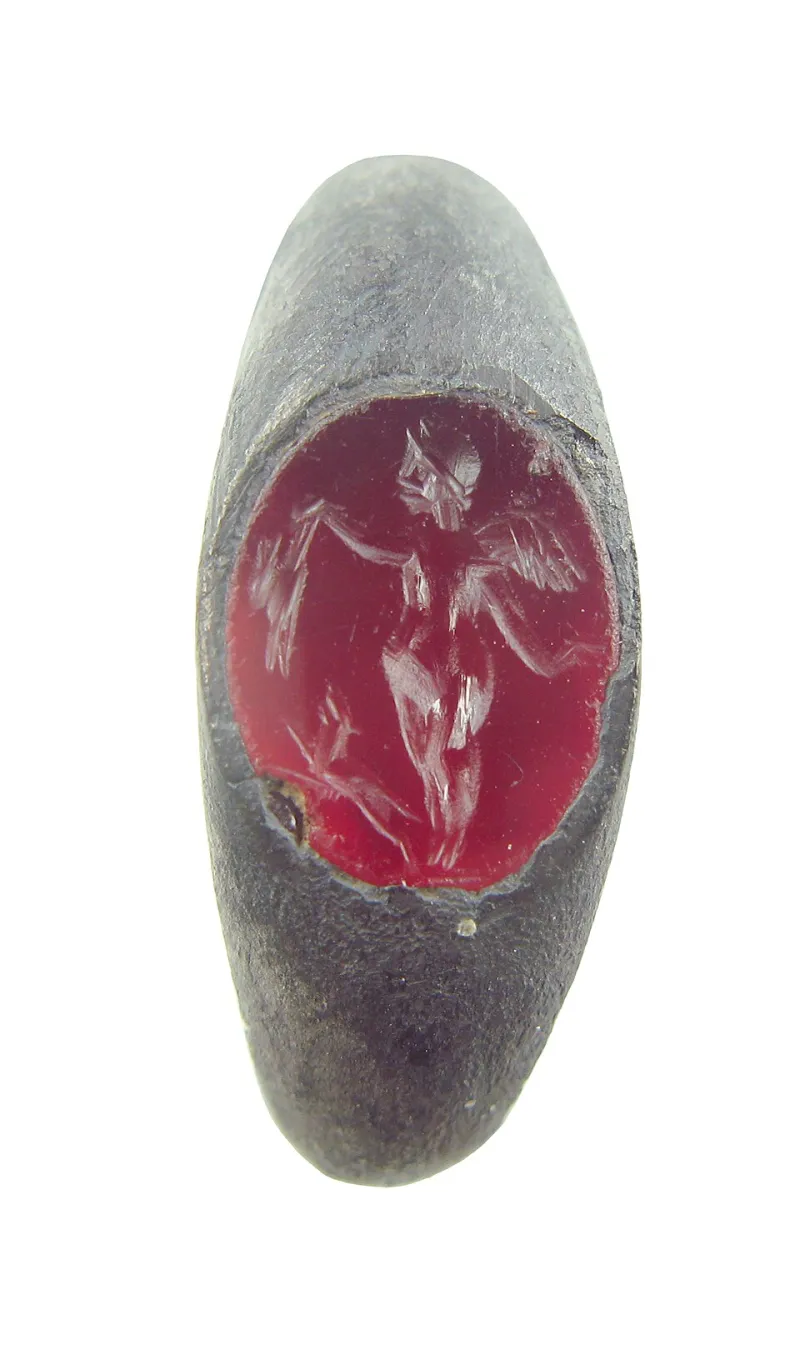
Photo: Michael Garlick , CC BY-SA 2.0, via Wikimedia Commons
A British winter rarely announces itself in a single gesture. It arrives as a damp November morning, a radiator clicking on at six, a sash window that will not quite close. Outdoors the air is wet and cold; indoors, central heating steadily removes moisture from the rooms we inhabit. For fine jewellery and watches, this is not a dramatic threat. It is a slow, ordinary one — the kind that good storage quietly answers.
The point is not to alarm. Gold and platinum do not dissolve in dry air, and a pearl necklace will not perish beside a radiator overnight. But the British indoor climate in winter is dry enough, and variable enough, to reward a little discipline. Storage is often treated as an afterthought, a box on a dressing table or a pouch in a drawer. In practice it is one of the cheapest forms of insurance a jewellery owner can practise.
The indoor climate, measured
Relative humidity in a heated British home can fall well below the level many people imagine. Rooms near radiators, under-floor heating or open fires may feel comfortable to us while being noticeably dry. Then comes the bathroom, where steam and condensation create the opposite condition, and the hallway, where damp coats and draughty doors produce rapid swings.
Materials respond differently. Gold and platinum are stable, though their alloys may still collect surface grime. Silver is more sensitive: sulphur compounds and humidity accelerate tarnish, and winter storage in a closed but unaired drawer does it few favours. Pearls are porous and prefer moderate humidity; prolonged desiccation is unkind to them. Opals can be troubled by rapid drying, and emeralds, often oiled, are best kept away from heat and sudden change. Leather watch straps dry, stiffen and crack when the air is too dry, while damp storage encourages mould and weakening.
The practical lesson is not to seal everything away from the air. It is to manage the air each piece sits in.
A room-by-room audit
Begin in the bedroom, where most jewellery is kept. A dressing table beside a radiator, or a windowsill that catches cold at night and weak winter sun by day, is not a good home. Move the box to a drawer or cupboard away from direct heat and light. A lined jewellery box with separate compartments is preferable to an open dish, which exposes pieces to dust, light and accidental knocks.
The bathroom is the least suitable room in the house. Steam, condensation and the daily rush make it a poor place for pearls, silver or watches. If pieces are worn there, bring them back to the bedroom rather than leaving them on the shelf.
In the living room, be wary of open trinket dishes near a fireplace or wood-burning stove. Smoke and sulphur-rich air encourage silver tarnish, and an open dish offers no protection from dust. A closed box or a soft pouch in a drawer is better. The kitchen, with its steam and cooking vapours, is no place for fine pieces. Hallways may be cooler and damper than they appear, especially where coats and shoes gather.
A home safe can be useful, but it is not automatically protective. A safe in a cold or damp position can concentrate moisture. Place a rechargeable silica container inside, check it regularly and allow pieces to reach room temperature before sealing them away after wear.
What each piece actually needs
Gold and silver chains, rings and bracelets are best kept in soft-lined compartments or tarnish-resistant pouches. Silver benefits from anti-tarnish fabric, but only when the piece is clean and dry. Do not store silver still bearing perfume, hairspray or hand cream; these leave a film that encourages tarnish.
Pearls deserve a soft pouch of their own, not an airtight container. They like a little air and moderate humidity, and they benefit from being worn regularly. Keep them away from direct contact with silica packs and from radiators. Gemstone rings should be separated so that harder stones do not scratch softer ones. A compartmented box is not fussiness; it is basic prevention.
Watches need a proper watch box with individual pillows, particularly if several are in rotation. Leather straps should not be stored bone-dry beside a radiator, nor clamped tightly for months. A little air and a stable, moderate environment suit them. Metal bracelets should be cleaned before storage, and any watch with water resistance should be dried carefully after winter wear.
Silica is useful, but it is not a universal remedy. Rechargeable silica beads are preferable to sachets of unknown age. Use them in drawers, safes and closed boxes, but keep them from direct contact with pearls and leather. An inexpensive hygrometer can be more instructive than guesswork; aim for a stable, moderate indoor humidity rather than an aggressively dry one.
The underrated insurance policy
Insurance is usually discussed in terms of appraisals, valuations and claims. Storage belongs in the same conversation. A piece that is scratched against another, tarnished by damp, dried out beside a radiator or left in a bathroom cabinet is more likely to need repair, and a policyholder is expected to take reasonable care. Good storage reduces avoidable damage, preserves condition and makes any future valuation more straightforward.
It is not a substitute for proper cover, nor for a professional appraisal after a significant purchase. But it complements both. The cost of a lined box, a few soft pouches and a rechargeable silica container is modest beside the price of restoring a damaged watch strap or re-stringing a pearl necklace.
At the turn of the season, make a quiet ritual of it. Empty the box, inspect each piece, clean what needs cleaning, separate what should not touch, recharge the silica and move anything sitting too close to a radiator or window. Winter will do what winter does. A considered storage routine simply ensures the jewellery and watches you value are not asked to weather it unnecessarily.