Measured Twice: The Case for a Return Visit to the Jeweller
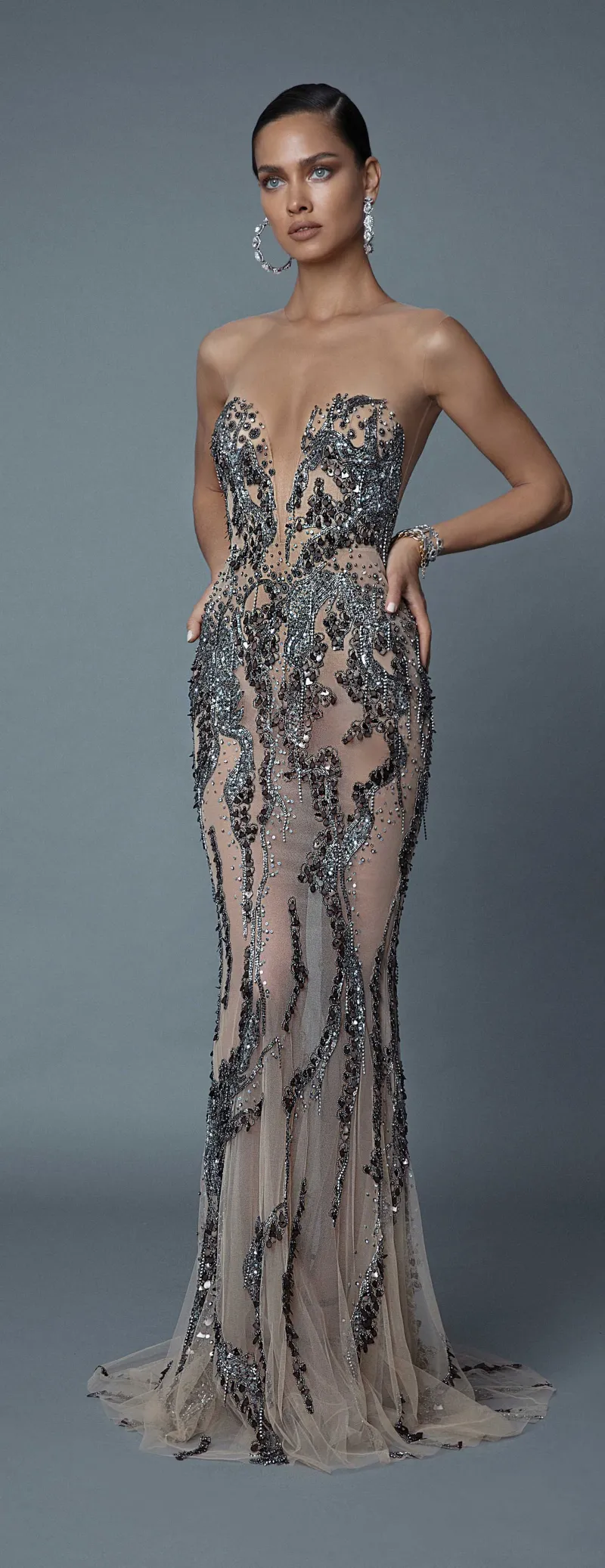
Photo: elegant jewellery showroom customer trying ring in daylight second visit UK, via i.pinimg.com
There is a particular kind of pressure that gathers around a jewellery counter. It is rarely explicit. A piece is placed on a grey suede pad, the lighting shifts, and a perfectly reasonable question — “What do you think?” — begins to feel like a deadline. For a purchase intended to mark a milestone, that is the wrong atmosphere in which to decide. The more reliable approach is simpler and, in our view, more elegant: treat the first showroom visit as discovery and the second as decision.
At International Jewellers, we regard the return appointment not as a failure of nerve but as a sign of judgement. Fine jewellery and watches are objects of proportion, touch and daily wear. They deserve to be met more than once.
The first visit is for looking, not landing
A first appointment should be generous with time and light on obligation. Try pieces that intrigue you. Ask to see a ring beside a different band, a necklace against a different neckline, a watch on a bracelet that is not quite your size. Notice what your eye returns to after the advisor has moved on. Notice, too, what you forget.
It is useful to enter the first visit with a shortlist rather than a conclusion. You might be considering a diamond pendant for a significant birthday, a dress watch for professional wear, or a pair of earrings that will travel well. The purpose of the appointment is to test those assumptions against reality. A piece that photographs beautifully may sit heavily; a watch that seems modest on screen may have precisely the restraint you want on the wrist.
Do not be afraid to say that you are not buying today. A reputable jeweller will understand. The best showroom relationships are built on repeat visits, not pressure.
Light changes everything
Showroom lighting is designed to flatter. It can make white metals appear cooler, pearls more lustrous and diamonds more lively than they will seem at a north-facing kitchen window in February. That is not deceit; it is theatre. But it is not the whole picture.
On a first visit, ask whether you can see the piece in daylight, ideally near a window or outside the main display area. Compare two stones or two metals under the same light rather than in separate corners of the room. For watches, look at the dial in diffuse daylight as well as under spotlights: legibility changes, and so does the apparent colour of the case. For pearls, daylight is especially revealing, showing subtle variations in overtone that warm showroom light can mask.
The second visit allows you to repeat that comparison with a clearer mind. If a piece still pleases you in quieter light, it is more likely to please you in ordinary life.
Fit is a relationship, not a measurement
Ring size is not a fixed truth. Fingers change with temperature, time of day and the natural variation of the body. A ring that feels secure on a cold morning may feel tight by evening. A watch bracelet that sits neatly in the showroom may reveal a sharp edge or a loose clasp after an hour of wear. This is why the second visit matters: it gives you a chance to try again under different conditions.
Bring the rings you already wear, particularly if you are considering a stacking piece or a ring for the same hand. For watches, ask about micro-adjustment, spare links and the shape of the clasp against the wrist. A good advisor will not rush this. They will want you to notice how the piece behaves when you move, reach and rest your hand.
If a ring needs resizing, ask what the alteration means for the setting and the hallmark. If a watch bracelet needs adjusting, ask whether it can be returned to its original specification. These are not awkward questions; they are the questions of a measured buyer.
Photographs are notes, not verdicts
A phone photograph is a useful aide-memoire and a poor judge. Lenses distort proportion, screens alter colour, and the absence of scale makes a delicate pendant look either smaller or larger than it is. Use photographs to remember what you saw, not to decide what you will buy.
If you do take pictures, ask the advisor to include a familiar object for scale or to note the dimensions in writing. Ask for the metal, stone and hallmark details to be recorded. For watches, note the case size, lug width and bracelet reference. These details will serve you better on the second visit than a gallery of slightly different angles.
The hold policy, in plain terms
Hold policies vary. Some jewellers will keep a piece aside for a short period; others will require a deposit; others will not hold at all. Ask precisely what is being offered, for how long, and on what terms. If a deposit is requested, ask whether it is refundable, whether it can be transferred to another piece, and what happens if you decide not to proceed. Ask for the terms in writing.
This is not a sign of suspicion. It is simply good practice. A clear hold arrangement protects both sides and removes the quiet anxiety that can push a shopper into a premature decision.
Questions worth sleeping on
A second visit is most useful when it is guided by a few questions you have had time to consider. Will the piece be worn often, or only on particular occasions? Does it suit the clothes you actually wear? If it is a ring, will it work with the rings already on your hand? If it is a watch, does it suit both office and weekend? What will servicing or insurance cost over time? Are there alterations that may be needed later, and are they straightforward?
For fine jewellery, ask about setting security, resizing limits and the care the piece will need. For watches, ask about service intervals, water resistance and the availability of replacement parts. These questions turn admiration into understanding.
The return appointment
Book the second visit deliberately, ideally within a few days and while the first impressions are still fresh. Ask to see the same shortlist, preferably with the same advisor. Try each piece again without the expectation of immediate purchase. Compare, narrow, and then decide — or decide not to decide.
Patience is not indecision. In a purchase of this kind, it is a form of confidence: the confidence to let a piece prove itself. The best jewellery decisions are rarely made in a single flourish. They are made twice — once in the looking, and once in the knowing.