Pinpoint Precision: Why a Single Brooch Belongs on Your Winter Coat
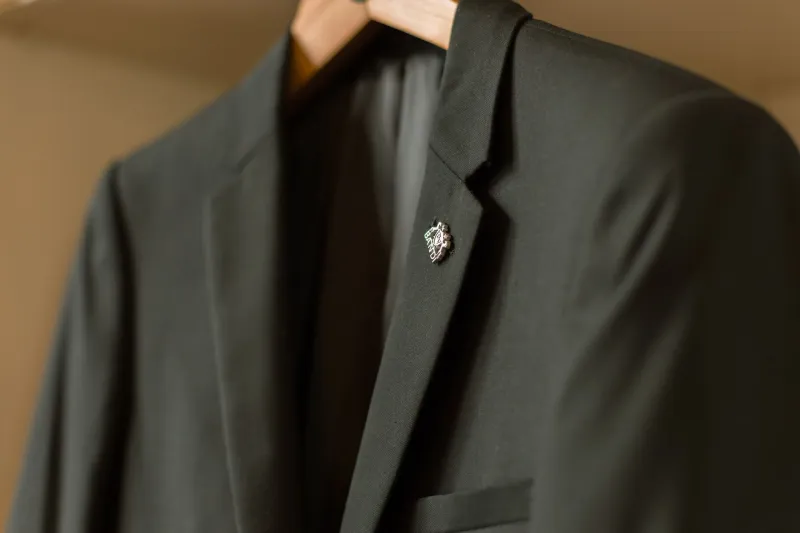
At International Jewellers, we tend to treat winter dressing as a question of layers. A coat is chosen for warmth, a scarf for colour, gloves for finish. The brooch is the one jewel that can answer that question without competing with a scarf, a collar or the coat's own line. It is a small ritual: choose, pin, adjust, and leave the house feeling deliberately dressed.
The Case for a Small Ritual
A brooch is not a trend piece in the way a necklace or a ring can be. It is an accessory with its own grammar. It sits on the outermost layer, which means it is often the only jewel visible during a UK winter. That gives it unusual power. A single brooch can make a plain navy coat look considered, or give a grey flannel jacket a point of warmth. It can mark the difference between an office day and a festive dinner without requiring a change of outfit.
The case for reintroducing the brooch is not about nostalgia. It is about usefulness. A brooch can be worn on a coat lapel, a scarf, a knit collar or a jacket pocket. It can be modest enough for daytime and bright enough for evening. It can be inherited, collected slowly, or bought as a first piece of fine jewellery. Few jewels offer so much visible effect from so small a scale.
Placement: Where the Eye Expects to Rest
Placement is the first decision, and it should look intentional rather than accidental. On a tailored coat, the traditional position is the left lapel, a little below the collarbone. This is where the eye expects to find a point of interest, and it leaves the coat's line undisturbed. On a single-breasted wool coat with a clean front, a brooch set slightly off-centre can look modern and balanced. On a double-breasted coat, avoid adding weight near the buttons; a higher placement on the lapel or shoulder is usually calmer.
Cashmere needs a lighter touch. A heavy brooch can pull the fabric or leave a lasting mark. Choose a smaller piece, or pin through a folded scarf rather than through the soft surface of the knit. If you wear a shawl collar, a brooch at the neckline can act as a quiet closure. For any fine fabric, pin through the outer layer and not only through the lining. The weight should be carried by the cloth that is meant to hold it.
Scale and Proportion: Read the Coat First
The coat should set the scale. A substantial herringbone wool or a heavy tweed can carry a medium-sized brooch with a simple silhouette. A fine cashmere coat calls for something smaller and lighter. A sharply tailored jacket can take a geometric brooch or a single pearl, while a soft, unstructured coat may suit an organic shape or a vintage floral design.
Proportion matters more than size alone. A brooch should look as if it belongs to the coat, not as if it has landed on it. If the coat has wide lapels, a very small brooch can disappear. If the coat is minimal and close-fitting, an oversized brooch can overwhelm. Try the piece on with the coat you wear most often, not just with the outfit you have in mind. The best brooch is the one that makes the coat look more like itself.
Metal, Stone and the Winter Palette
Winter light in the UK is low and often cool, which changes how metals read. Yellow gold brings warmth to navy, charcoal, camel and chocolate brown. White gold, platinum and silver look crisp against black, grey and cool tailoring. Rose gold can be especially effective with burgundy, plum and soft pink, though it should be chosen with care if the coat has cool-toned hardware.
Stone choice is a matter of occasion. A pearl brooch is quiet enough for the office and elegant at a daytime lunch. A single diamond or a coloured stone can supply festive sparkle without the need for a necklace. If the coat has brass buttons, yellow gold will feel harmonious; if it has silver hardware, white metal will look more resolved. None of this is a rule, but harmony of tone is often what separates a considered look from an assembled one.
Vintage or Contemporary?
Vintage brooches offer character and history. They can be wonderfully individual, and a well-chosen antique piece often has a quality of detail that is hard to find today. The practical checks matter: the pin should be straight and sharp, the catch should close securely, and the stones should be tight. Ask whether the pin has been replaced or the piece repaired. Worn marks are normal on older jewels, but they should not compromise the fitting.
Contemporary brooches offer cleaner lines, modern mechanisms and the reassurance of a maker's warranty. For a first brooch, a contemporary design with a locking catch or safety chain is often the easier daily choice. For a collector, vintage can be the more rewarding route. Neither is inherently better. The question is whether you want a piece with a past or a piece built for a particular present.
Buying with a Clear Brief
Before buying, decide which coat the brooch is for and where it will sit. Take the coat with you if you can, or measure the lapel and visualise the scale. Check the weight in the hand; a brooch that feels heavy will feel heavier after an hour on a lapel. Look for a secure catch and, for city wear, a safety chain. If the piece is set with stones, check that they are secure and that the setting does not catch on wool or cashmere.
For fine jewellery, ask about the metal and the maker. A brooch is a small purchase compared with a watch, but it still deserves the same care. If you are buying from an international seller or a vintage dealer, ask for clear photographs of the back and the fitting. A beautiful front can hide a tired pin.
A Considered Statement, Not a Costume
At the office, a small pearl, a simple gold bar or a neat geometric brooch is enough. At a festive dinner, one coloured stone or a more sculptural design can carry the coat while the rest of the outfit stays quiet. The brooch should be the full stop, not the whole paragraph. Worn well, it gives the impression that you dressed with attention rather than followed a formula.
That is the quiet value of the brooch in 2026. It is not a loud accessory, and it does not need to be. It is a small, visible ritual for the winter coat, and a useful reminder that fine jewellery does not always need to be saved for the evening. Sometimes it belongs exactly where the cold air meets the lapel.